Christmas Table Decoration: Ideas & Inspiration for a Stylish Festive Table
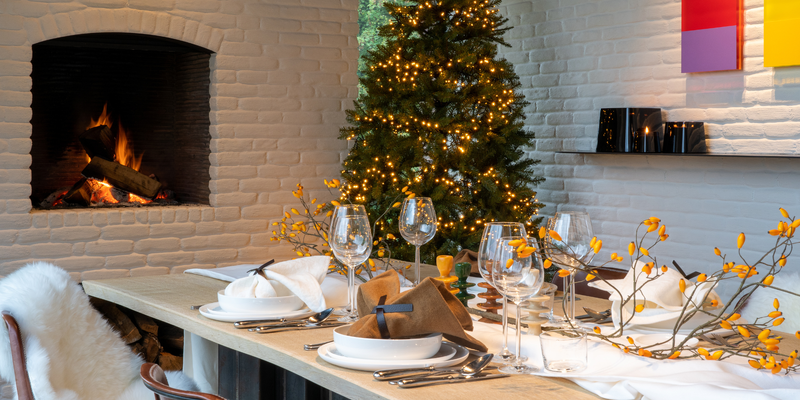
Ideas & Inspiration for a Stylish Festive Table
A Christmas table doesn’t need to shout to make an impression. No overload of decorations, no perfectly matched set that only comes out once a year. What really works are the right materials, thoughtful choices and a table that feels like an extension of how you live and host. A table that feels like you.
Good Christmas table decoration isn’t about following rules or trends. It’s about understanding what creates atmosphere. How materials interact. Where colour adds something — and where it doesn’t. And how tableware, light and small details come together naturally.
In this article, you’ll discover current Christmas table trends, practical tips to style your festive table without stress, and ideas to create a Christmas table that feels personal and effortless.
Christmas table decoration today – what a contemporary festive table looks like
The classic Christmas table is evolving. Red, green and gold haven’t disappeared, but they’re no longer the default. What we see today is more freedom, more personality and less perfection. Tables that don’t feel staged, but simply work.
Natural materials as a foundation
Ceramic, stoneware, wood and linen form the basis of a contemporary Christmas table. They add warmth and texture without overwhelming the setting. A plate with a subtle surface, linen napkins or a wooden accent immediately make the table feel inviting.
Natural materials don’t need to be perfect. Small irregularities soften the overall look and make the table feel relaxed. Stoneware and ceramic reflect light differently than smooth porcelain, adding depth even when the table is kept simple. Think of stoneware tableware such as the Pure collection by Pascale Naessens.
Colour – less contrast, more nuance
Traditional Christmas colours are still present, but used more subtly. Instead of strong red-and-green combinations, neutral tones take the lead: beige, off-white, sand and warm white. This calm base allows for one clear colour accent.
A table with light tableware feels more balanced with a single accent in deep green or smoky blue than with multiple competing colours. Expressive colours, such as those found in Ottolenghi collections, work best when used sparingly. One serving piece is often enough to add character without disturbing the harmony.
Mixing and matching tableware
Perfectly matching dinner sets are giving way to combinations. Mixing plates, bowls and glasses adds rhythm to the table. The contrast between calm shapes and more expressive pieces keeps the table lively without feeling chaotic.
What matters is having one connecting element: a material, a recurring colour tone or a shared shape. Clean, understated designs like INKU by Sergio Herman work well as a base, leaving room for other elements while keeping the table cohesive.
Light and height
Candles remain essential on a Christmas table, but how you use them makes the difference. Instead of symmetrical arrangements, variation works better: different heights, sizes and placements along the table.
Playing with height creates depth and movement, allowing the eye to wander naturally. Avoid harsh overhead lighting and opt for soft, warm light sources at table level.
How to style a Christmas table step by step
Start with your tableware
Your tableware sets the tone. If it’s expressive in shape or colour, keep the rest restrained. If it’s minimal, you can introduce texture or colour for balance.
When hosting guests, comfort matters as much as appearance. A beautiful table should also feel pleasant and practical to use.
Work in layers
A simple yet effective principle is to think in three levels:
Base: plates, placemats and table linen.
Middle: glasses, bowls and serving dishes.
Top: candles, branches or floral elements.
This layered approach adds richness without making the table feel crowded.
Textiles make the difference
Napkins and table linen have a bigger impact than you might think. Linen softens harder materials and brings calm to the table. Neatly folded feels more formal; loosely tied or casually placed feels relaxed. Small choices here make a noticeable difference.
Natural accents
Branches, eucalyptus or pinecones bring freshness to the table. The key is integration: let them blend into the table setting rather than treating them as separate decoration. A few well-placed elements are far more effective than an overloaded table.
Conclusion
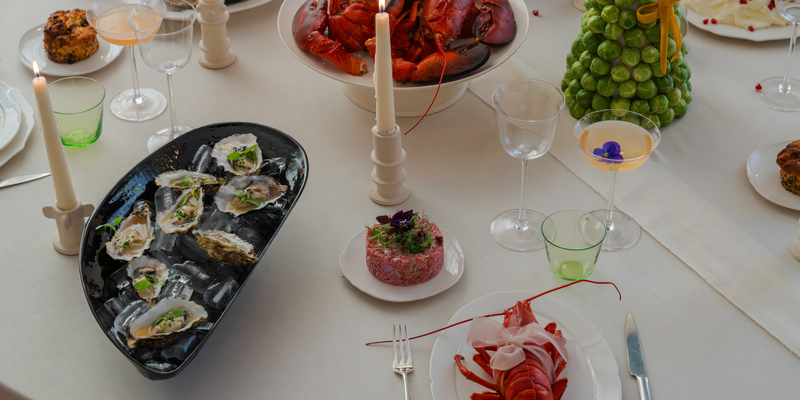
A successful Christmas table doesn’t need to be perfect. It should invite people to sit down, feel welcome and slow down. By choosing materials, light and tableware you genuinely enjoy using, you create a festive table that becomes a memory.
Not because it’s Christmas — but because it feels right.
And that’s what makes a Christmas table memorable.
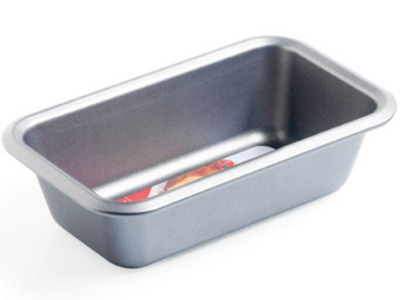
Mastrad Loaf pan, non stick 25.7 x 15.5 cm
kr 187,28kr 131,10
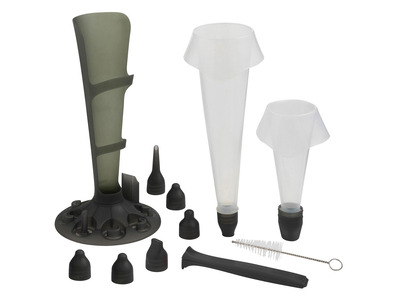
Mastrad Pastry bag set - black
kr 330,49kr 231,35
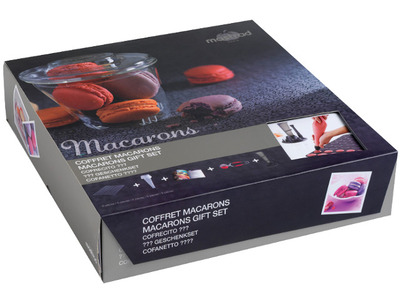
kr 440,66
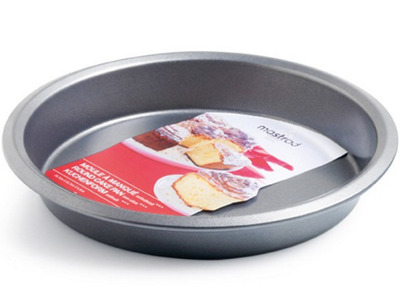
Mastrad Round cake pan, non stick - Ø 27,5 cm
kr 187,28kr 131,10