- Home
- Blog
- Inspiration
- Home lighting: choose and...
Home lighting: choose and combine your lamps
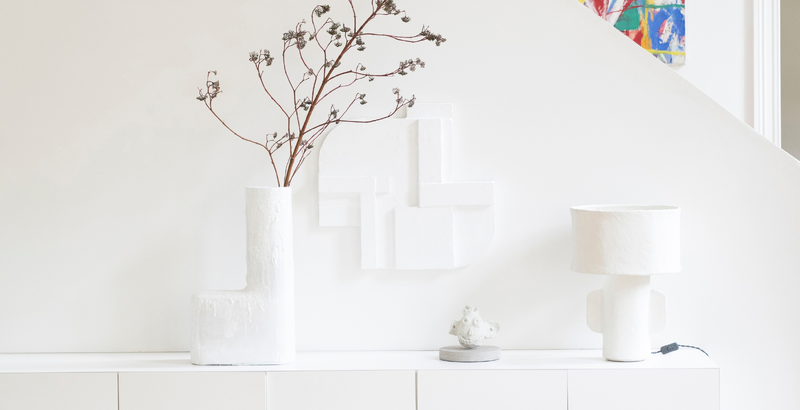
Find your next light
Start with the place you want to light. A reading chair needs light on the page; a dining table needs light across its surface. A lamp on a sideboard may serve a different purpose, adding a smaller light source in the evening and a shape you enjoy during the day.
To combine lighting at home, allow for general light, focused light for specific activities and smaller lights you can switch on separately. Then choose the lamp type, size and material for each position. This gives you a practical starting point for mixing different designs.
Find the spot that needs more light
Look around your room after dark. Where do you spend time? Is your favourite chair well lit? Does the sideboard disappear into a dark corner? These questions help you decide what to add.
At the dining table, think about both the tabletop and the people sitting opposite you. At a reading chair, check whether light reaches your book. On a cabinet, a lamp can provide a smaller pool of light while its shape works alongside your other objects during the day.
Choose one area to improve first. Once that lamp is in place, it becomes easier to judge what the room still needs and choose another design to work with it.
Give your lighting three jobs
General lighting helps you see the room and move around it. A ceiling light can do this, although several light sources together can also provide the overall illumination.
Task lighting directs light towards an activity, such as reading, working at a desk or preparing something on a work surface. The position of the lamp and the direction of its light matter here.
Mood lighting gives you smaller light sources to use independently in the evening. A table lamp on a cabinet or a low floor lamp beside the seating area can serve this purpose.
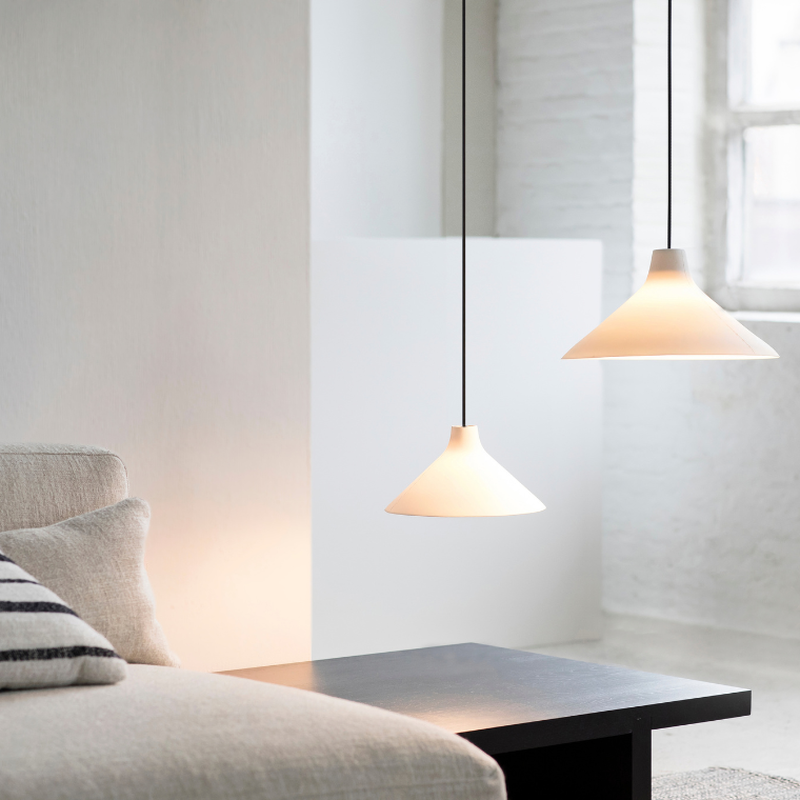
One lamp can do more than one job. A pendant over the dining table may light both the table and part of the room. A separate table lamp gives you another option when you move to the sofa after dinner. Being able to switch lights on individually makes it easier to adapt the room to what you are doing.
Which lamp goes where?
Table lamps for sideboards, side tables and bedside tables
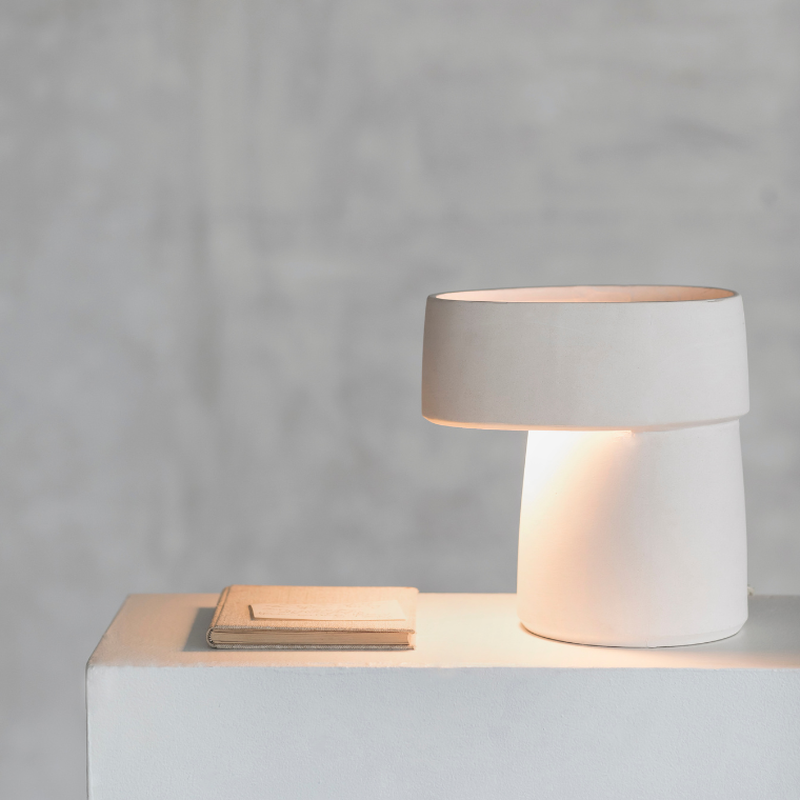
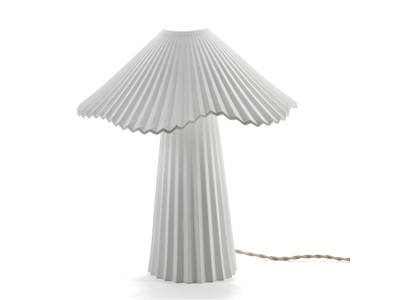
A table lamp adds light to furniture you already have. A wide sideboard gives you room for a larger design; a small bedside table also needs space for a book and a glass of water.
Consider the whole lamp, including the shade. A narrow base does not necessarily mean a small footprint. If you want to read beside it, look at where the light falls and whether you can see the bulb directly from your seat.
Compare our table lamps for your sideboard, side table or bedside.
Pendant lights over dining tables and fixed work areas
A pendant light draws attention to the area beneath it. Choose a size that works with the tabletop, then consider how the lamp looks from elsewhere in the room.
The hanging height should allow light to reach the table while leaving a clear view of the person opposite. For a long dining table, several lights may be useful, depending on how widely each design spreads its light.
Browse our pendant lights to compare designs for above your table.
Wall lights to keep furniture surfaces free
A wall light is useful beside a bed, along a passage or above a console where you want to leave the top clear.
Work out the position from how you will use it. A bedside reading light needs to sit differently from a fitting intended mainly to light the wall. Also check whether the design requires a fixed electrical connection or has a cable and plug.
See our wall lights for positions where you want to keep surfaces clear.
Floor lamps at different heights
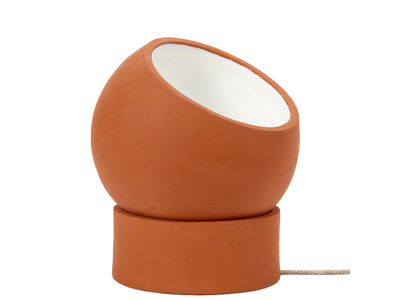
For a reading chair, choose a lamp whose light reaches the page. A low floor lamp serves a different purpose: it places a light source closer to the floor and can help illuminate a corner.
Look at the lamp's height, where the light comes out and the space available around it. A low sculptural design and a tall reading lamp meet different needs, even though both stand on the floor.
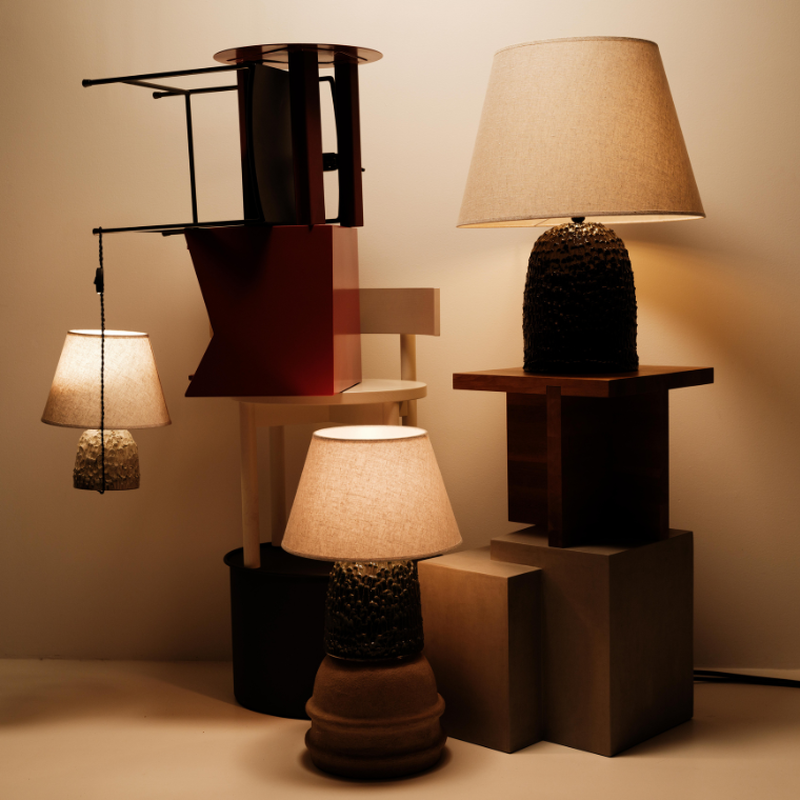
Four lamps, four uses
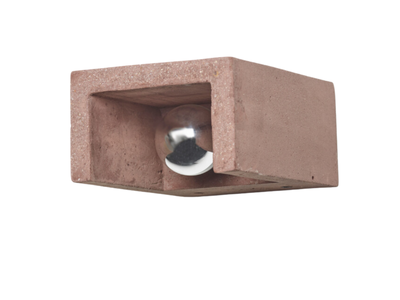
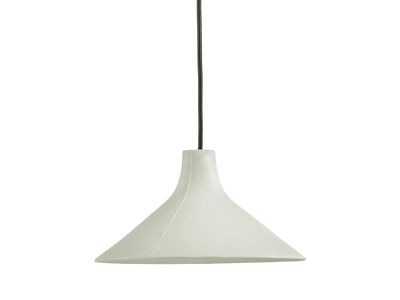
Combine materials, colours and shapes
Bohero's lighting selection includes ceramic, papier-mâché, terracotta, cement and wood. These materials help you relate a lamp to your furniture, tableware and other objects. The light it produces also depends on the light source and the design of the shade or housing.
Try these three approaches:
- On a wooden sideboard: a white or pale lamp makes its outline stand out against the wood. Rounded ceramic forms can soften the sequence of straight lines across the cabinet.
- On a metal side table: terracotta or papier-mâché creates a contrast in surface texture. Leave enough room around the lamp and keep other objects on the table to a minimum.
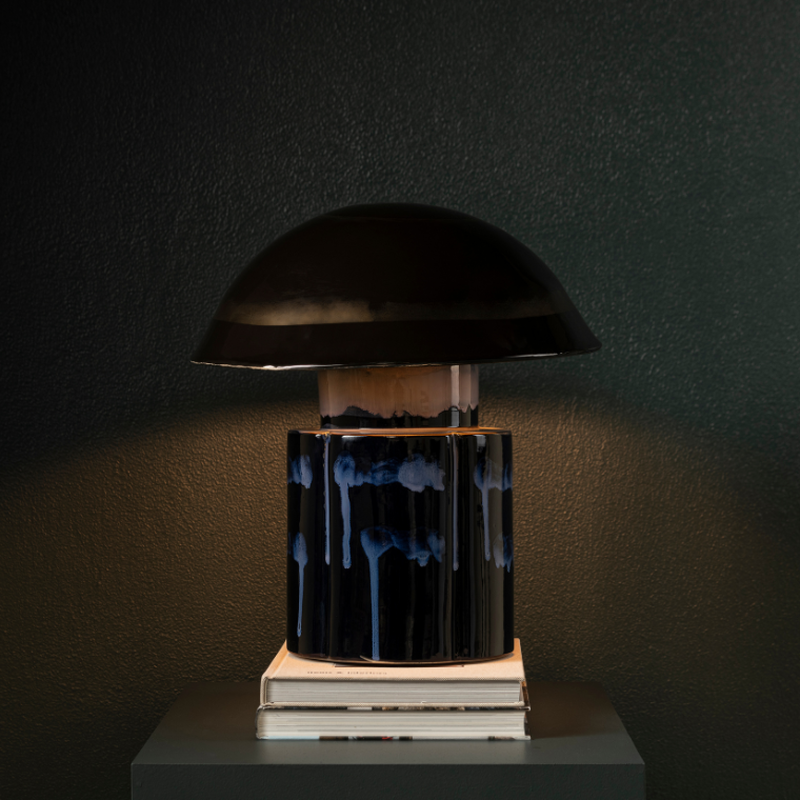
- Against a coloured wall: repeat one of the wall's tones in the lamp, or choose a colour that stands out clearly against it. Look at a photograph of the lamp switched off as well as illuminated.
Your lamps do not need to come from the same collection. Repeat one detail, such as a colour or rounded shape, while varying the material or size. A pendant and a table lamp can then sit comfortably together while each retains its own design.
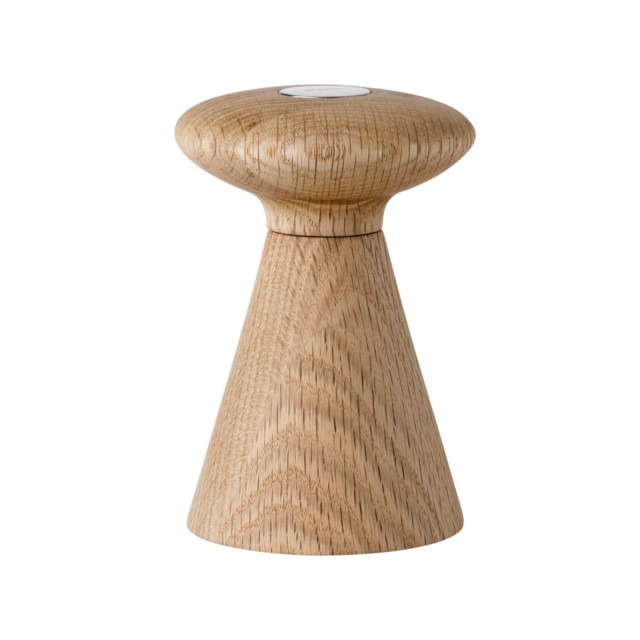
Choose your material
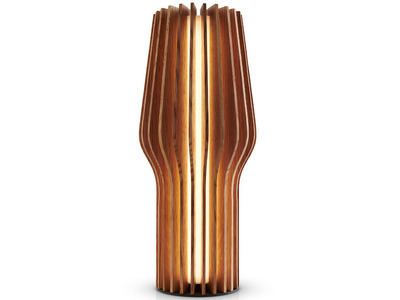
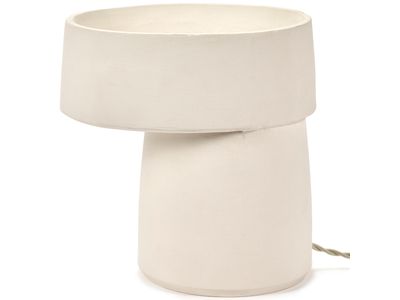
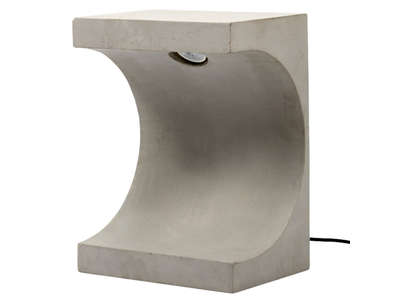
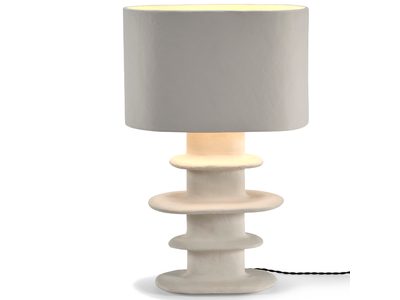
Lighting ideas for the living room, bedroom and hallway
In the living room, a pendant can light the dining table while a table lamp adds light to a sideboard. If you also read on the sofa, provide focused light beside that seat. Let the missing function guide your next purchase.
In the bedroom, start with how you use the space beside the bed. Reading calls for light directed towards the page; a smaller light may be enough when you simply want some illumination before going to sleep. A wall light can free up a narrow bedside table.
In the hallway, a table lamp on a console can light the spot where you leave your keys. Keep the passage clear and position the cable away from the route you walk through.
A rechargeable table lamp is useful if you want to move the same light between different places, from the dining table to a spot beside the sofa, for example. Compare brightness, dimming settings and battery life for each model. Cordless operation alone does not mean a lamp is suitable for outdoor use.
Light for your furniture
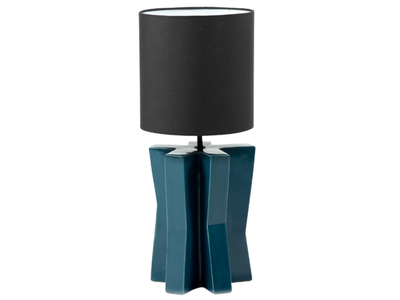
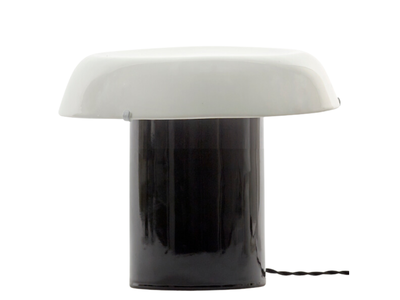
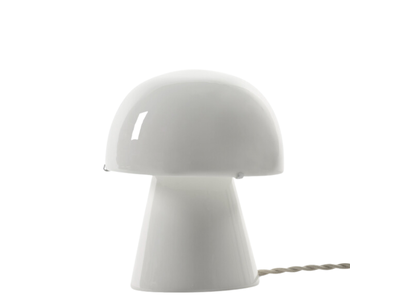
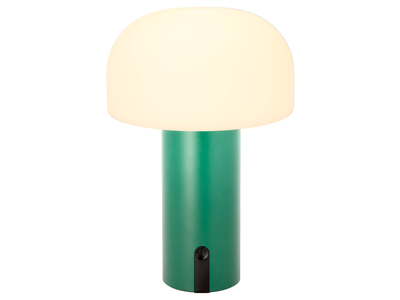
What to check before buying a lamp
Compare the lamp's dimensions with the space available. Measure the shade as well as the base and allow room for the other things you use there.
Next, check the electrical connection, cable and switch. If the lamp takes a separate bulb, look at the fitting, maximum permitted wattage and recommended bulb. For an integrated LED design, check the stated light colour and light output.
If you want dimming, make sure the lamp, light source and any external dimmer work together. For a rechargeable design, also check how it charges and how battery life varies between settings. Use the product specifications for these details; room photographs are more useful for judging proportions, shape and placement.
Questions about choosing home lighting
Do all the lamps in a room need to be the same colour?
No. You can mix colours by repeating one shade in more than one place. A black pendant might relate to the black base of a table lamp, for example, while the shade introduces a different colour.
How do I choose a lamp for a small room?
Consider the space available and the light you need. A wall light can keep furniture surfaces clear. If there are few other objects in the room, a single larger table lamp may also work well. Measure the whole lamp and leave room for access and opening cupboards.
Will a dimmable bulb make any lamp dimmable?
Not necessarily. The lamp, bulb and any external dimmer need to support the intended combination. If the lamp has built-in controls or integrated LEDs, follow that model's specifications.
Can a product photograph tell me how bright a lamp is?
A photograph gives an impression, rather than a reliable measure of brightness. Exposure and camera settings affect the result. Compare technical specifications and check the direction in which the lamp distributes its light.
How many lamps does a living room need?
There is no fixed number. The room's size and layout, your activities and the way each lamp distributes light all affect the answer. Start with the places you use and assess which still need more light.
Choose your first lamp for a specific position: the dark sideboard, your reading chair or the dining table. Bohero's lighting selection lets you compare designs, dimensions and uses to find a suitable starting point.