- Home
- Blog
- Tips & Advice
- Salt, Pepper and Spice...
Salt, Pepper and Spice Tools: The Small Details That Make a Difference
Key takeaways
- Salt and pepper accessories matter both in daily use and in the overall look of the table.
- A pepper grinder and a salt mill do not do the same job.
- Material affects comfort, maintenance and style.
- The right size depends on how you cook, how much space you have and how you like to serve.
- The best choice feels easy to use and fits naturally into your kitchen and dining space.
Some objects only start to matter once you choose them with more care. Salt and pepper accessories are a good example. They sit on the worktop, return to the table again and again and quietly become part of your daily routine. That is why they are more than practical tools. They shape the way you cook, the way your table looks and the way a meal feels.
A good pepper grinder or salt mill is not just useful. It is also an object you handle often, one that remains visible in the room and one that helps set the tone of the table. Whether you are looking for a compact set for everyday meals, a piece with more presence for a longer table or accessories that work naturally with your interior, the right choice depends on much more than looks alone.
In this article
- Why salt and pepper accessories matter more than they seem
- The different types of salt and pepper accessories
- The difference between a pepper grinder, salt mill and shaker
- How to choose the right mill for the way you live
- Which materials work best for your table and kitchen
- Which size suits daily use, smaller spaces or guests
- How to work salt and pepper into your table styling
- How to care for a pepper grinder or salt mill
- FAQ
What is the best setup for everyday use?
For most homes, the most practical choice is a separate pepper grinder for whole peppercorns and a separate salt mill for dry coarse salt. That gives you better flavour, more control and a mechanism that suits the ingredient. If you mainly want something simple, a compact set can still work well for everyday meals.
Why salt and pepper accessories matter more than they seem
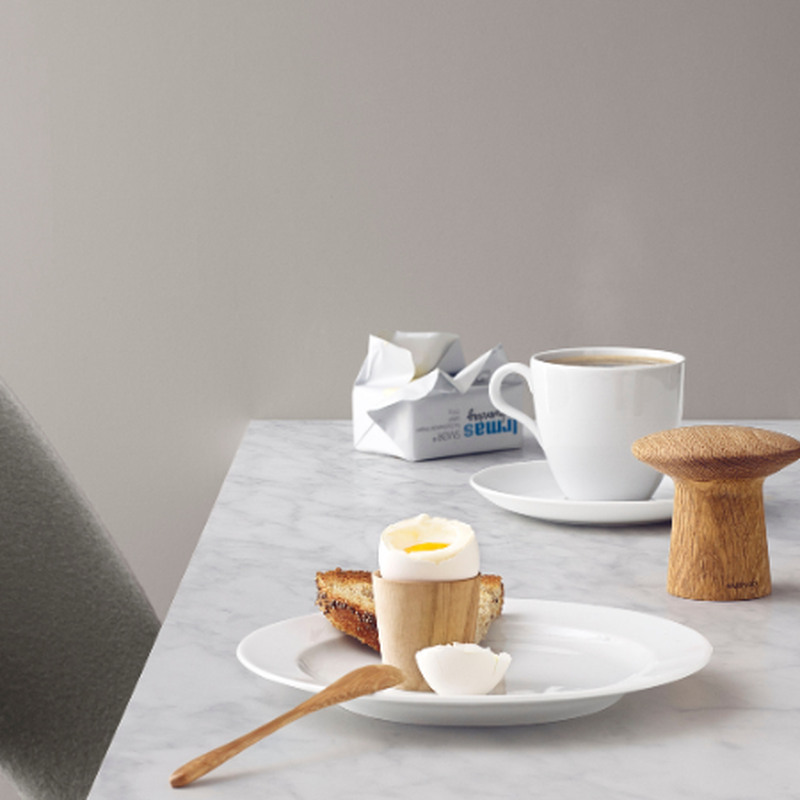
Salt and pepper show up at almost every meal. That makes the accessories you use for them much more important than they may look at first glance. They are within reach while cooking, often stay on the table and become part of the overall feel of the kitchen or dining area.
This is where practicality and appearance meet. A mill that feels awkward in the hand, is too heavy or takes effort to refill will quickly become annoying. But a piece can also work perfectly in technical terms and still feel wrong if it does not suit the table visually. That is why these objects are worth choosing carefully.
Anyone who likes a table to look calm and considered will notice that these details never stand alone. They sit alongside the salt and pepper accessories you use every day, but also next to dinnerware, glassware and other pieces that shape the table.
What types of salt and pepper accessories are there?
Not every model does the same thing. The right choice depends on what you use, how often you cook and whether the object needs to be purely practical or also add something visually.
Classic shakers
A classic salt or pepper shaker is simple, compact and easy to use. They work well with fine salt and pre-ground pepper and take up very little room. For anyone looking for a straightforward solution, they still make perfect sense.
Pepper grinders
A pepper grinder is ideal if you want more flavour and more control. Whole peppercorns keep their aroma better than ground pepper, which is why freshly ground pepper adds more depth to pasta, salads, soups, grilled vegetables and meat dishes.
Salt mills
A salt mill is designed for dry coarse salt. It lets you season more precisely and gives a different finish to a dish, especially if you like to add salt at the table or at the end of cooking.
Sets and design pieces
Some people prefer a compact set that sits quietly on the table. Others want an object with more character. Both can work, as long as the look and the use stay in balance.
What is the difference between a pepper grinder, salt mill and shaker?
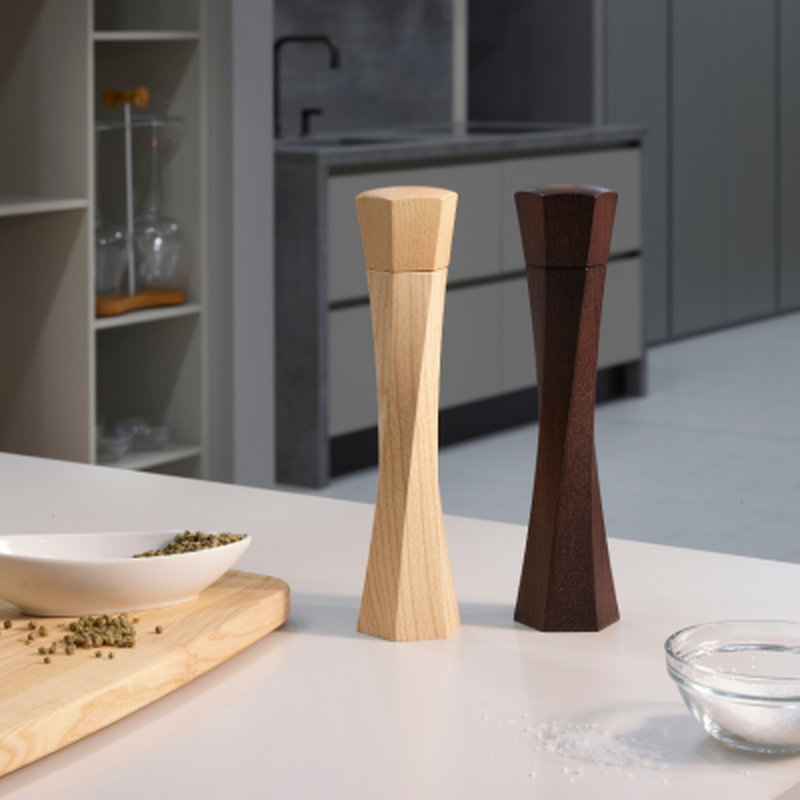
A pepper grinder mills whole peppercorns. That gives more aroma and often more control over grind size. A salt mill is made for dry coarse salt and uses a mechanism that is better suited to the texture of salt. A shaker is the simplest option and dispenses fine salt or pre-ground pepper.
That difference is not only technical. It changes how you season your food. If convenience matters most, a shaker can still be a very practical choice. If flavour and texture matter more, mills usually make more sense.
For everyday use, it is often easiest to keep pepper and salt separate. A pepper grinder for pepper and a dedicated salt mill for coarse salt tend to feel more logical and work better over time.
How do you choose the right pepper grinder or salt mill?
The right choice starts with use, not design. How often will you reach for it? Where will it usually sit? And do you want something discreet or something with more visual presence?
For everyday cooking
Choose a model that feels good in the hand, works smoothly and is easy to refill. Medium-sized mills are often the most sensible option here: comfortable, practical and easy to keep on the counter.
For everyday table use
Compact or medium-sized models are usually enough. They should feel stable, be easy to pass around and not take over the table.
For guests and longer tables
If you enjoy hosting or like a more considered table, a larger mill or a piece with more presence can work well. It gives the centre of the table more structure.
For a smaller kitchen
In a smaller kitchen, compact models are usually the smartest choice. They take up less room, feel visually lighter and still work well in daily life.
Expert tip
Do not choose with your eyes only. A mill that looks striking in a photo is not automatically the nicest one to use. Always think about how often you will pick it up, where it will usually stand and whether it should blend in quietly or stay more visible in the room.
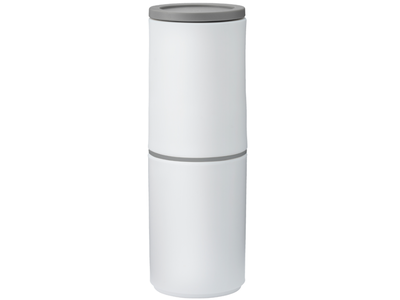
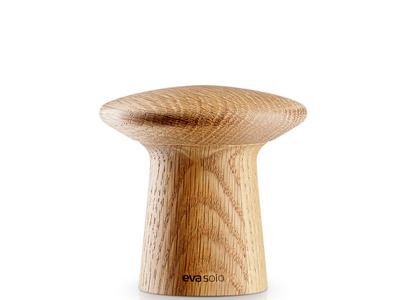
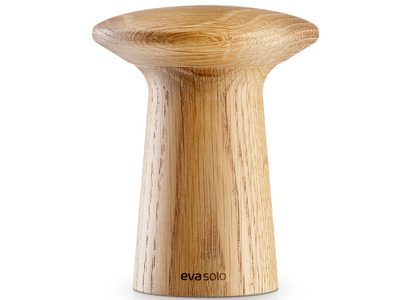
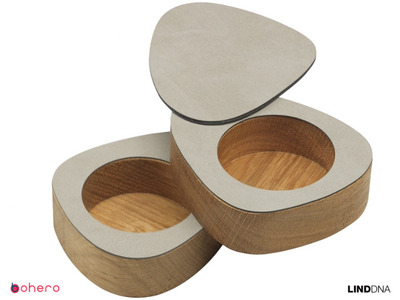


Which materials work best for your table and kitchen?
Material influences much more than style. It affects how a mill feels, how easy it is to care for and how naturally it fits the mood of your kitchen or dining space.
Wood
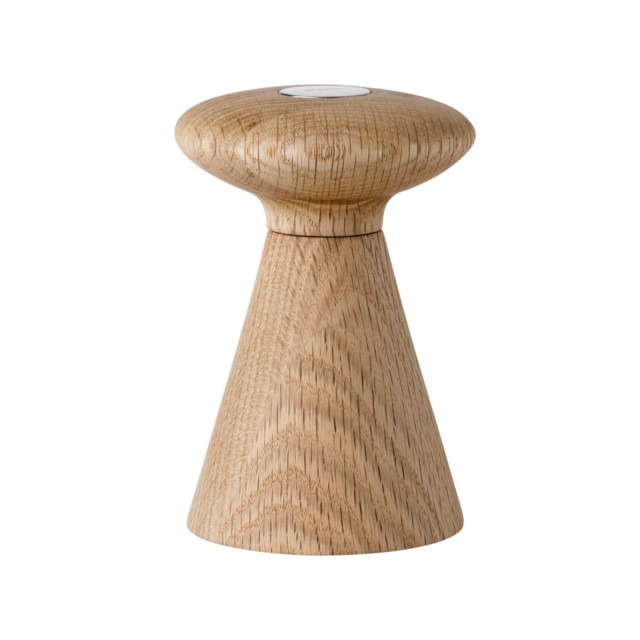
Wood feels warm, natural and timeless. It works especially well in interiors where texture and softness matter and suits a calmer, more welcoming table.
Glass and acrylic
Glass and clear acrylic feel lighter and more practical. You can immediately see what is inside and how much is left. That makes them useful in bright, simple or more modern kitchens.
Stainless steel
Stainless steel creates a cleaner, sharper look. It fits well in modern or minimalist interiors and is easy to clean.
Ceramic and porcelain
Ceramic and porcelain feel softer and more refined. They work beautifully on tables where details matter and often sit naturally alongside designer tableware and other table accessories
Which size suits daily use, smaller spaces or guests?
Size may seem secondary, but it makes a real difference.
A compact size works well in a smaller kitchen, on a breakfast table or anywhere you want to keep things visually light. A medium size is usually the most versatile and works well both while cooking and at the table. A larger size comes into its own when the object stays visible and becomes part of the styling.
How do you work salt and pepper into your table styling?
Salt and pepper accessories should not feel disconnected from the rest of the table. When chosen well, they strengthen the overall look.
For a calmer table, lighter woods, simple shapes and natural materials work well. A more expressive table can benefit from darker finishes, stronger contrast or an object with more presence. In a minimalist setting, glass, stainless steel and neutral shades usually create the most calm.
When these pieces sit naturally with table styling, other table accessories and broader indoor accessories, the whole table feels more balanced and more considered.
Take your table beyond the essentials and explore our table accessories
How do you care for a pepper grinder or salt mill?
Good care helps a mill stay pleasant to use and look better for longer.
- Refill it carefully and do not fill it all the way to the top.
- Use dry coarse salt in a salt mill.
- Use good-quality whole peppercorns in a pepper grinder.
- Keep salt away from moisture and steam.
- Clean the outside with a soft dry cloth.
- Do not use ingredients the mechanism was not designed for.
Wood is best kept away from water. Stainless steel should be wiped regularly to reduce marks and fingerprints. Anyone who likes a table to feel complete often pairs these everyday pieces with other useful objects such as oil and vinegar sets.
The right finishing touch starts with the details
A pepper grinder or salt mill may seem like a small object, but that is exactly why you notice the difference every day. While cooking, at the table and in the way everything comes together. The best choice is not the most dramatic or the most technical one, but the one that fits your routine, your space and the atmosphere you want to create.
Choose well, and even these smaller objects will help make the table feel calmer, easier and more complete.
A good pepper grinder or salt mill should suit the way you cook and serve. Look at the mechanism, the material, the size and what you want to use inside it. Pepper grinders work best with whole peppercorns, while salt mills are better for dry coarse salt. For smaller kitchens or everyday meals, compact or medium-sized models are usually the most practical.
FAQ about pepper grinders, salt mills and salt and pepper accessories
What is the difference between a pepper grinder and a shaker?
A pepper grinder mills whole peppercorns and gives more aroma and control. A shaker contains ground pepper and is mainly useful for quick everyday use.
Can you use one mill for both salt and pepper?
Usually not. Salt and pepper need different mechanisms and work better in separate mills.
What kind of salt should you use in a salt mill?
Use dry coarse salt. Fine table salt is better suited to a shaker.
Which size is most practical for a small kitchen?
Compact or medium-sized mills are usually the most practical because they take up less room and still work well every day.
Do salt and pepper accessories really matter for the table?
Yes. Even small objects affect the way a table looks and feels, especially when they stay visible every day.